
Printhead Cleaning Machine for UV ink printheads
Regular UV ink printhead maintenance directly affects the daily output and operational stability of wide-format, flatbed, and industrial UV printing workflows. Over time, partially cured UV ink residue, fine pigment particles…
Article Overview
Regular UV ink printhead maintenance directly affects the daily output and operational stability of wide-format, flatbed, and industrial UV printing workflows. Over time, partially cured UV ink residue, fine pigment particles, and accumulated dust can lodge deep inside micro-nozzles, internal ink channels, and tiny filter structures that standard surface wiping cannot reach. Even small, unseen blockages can lead to inconsistent droplet placement, faint banding across printed media, intermittent missing nozzles, and repeated test prints that waste substrate and curing energy. Many operators delay targeted cleaning until visible print defects appear, but this habit often allows hardened UV ink to bond firmly to precision components, making later recovery far more difficult and time-consuming.
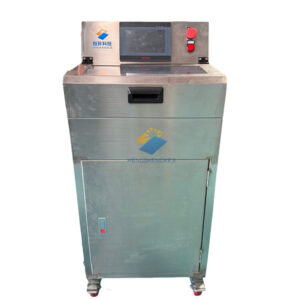
Effective removal of cured UV ink deposits requires a process that works without damaging the delicate nozzle plate surface or the precision internal components of the printhead. Controlled fluid dynamics and targeted vibration action can penetrate narrow internal passages to lift and disperse residual UV ink particles that simple flushing cannot dislodge. This approach avoids the excessive physical pressure that can bend nozzle edges, break internal ink paths, or cause permanent misalignment in high-precision industrial printheads. When performed at the correct intensity and duration, this method restores consistent droplet formation without leaving behind residual contaminants that could cause new blockages shortly after the cleaning cycle finishes.
Establishing a structured printhead care routine reduces unplanned downtime and extends the reliable service life of UV printheads across long production runs. Operators can integrate targeted cleaning sessions between different ink color changeovers, after extended idle periods, or at the end of high-volume production batches to prevent partial ink curing inside nozzles. Regular, scheduled maintenance also reduces the need for frequent manual nozzle checks and repeated head priming cycles that consume large volumes of ink. Over weeks and months, this consistent care helps maintain uniform print quality across every batch, lowers the frequency of mid-job stops for printhead correction, and supports more predictable daily production scheduling for print service providers and in-house printing operations alike.
Many experienced technical teams document their own verified cleaning cycles based on the specific UV ink formulations they use, the typical operating temperature in their print facility, and the average daily runtime of their printing equipment. These step-by-step records often include details on pre-cleaning preparation, appropriate dwell times for residue softening, and post-cleaning inspection methods that confirm no remaining particles are left inside critical components. Sharing these practical, field-tested procedures across operational teams helps new technicians avoid common mistakes that can damage printheads, and ensures every maintenance session follows a repeatable, low-risk workflow that protects valuable printing assets.