
Printhead Cleaning Machine for eco solvent printheads
Eco solvent printheads operate in high-volume sign, banner, and outdoor graphic production environments where consistent droplet precision directly determines final print sharpness and color uniformity. Over extended production runs, slow-evaporating eco solvent carrier fluids…
Article Overview
Eco solvent printheads operate in high-volume sign, banner, and outdoor graphic production environments where consistent droplet precision directly determines final print sharpness and color uniformity. Over extended production runs, slow-evaporating eco solvent carrier fluids, dispersed pigment particles, and accumulated environmental dust can settle in narrow ink channels, nozzle entrances, and internal micro filters. These subtle buildups rarely cause immediate catastrophic failure, but they gradually alter droplet trajectory, reduce ink flow consistency, and create faint horizontal banding that becomes visible on large-format media. Many operators overlook early warning signs like slightly lighter test swatches or occasional missing nozzles, allowing semi-hardened eco solvent residue to bond to internal surfaces over days of intermittent use.
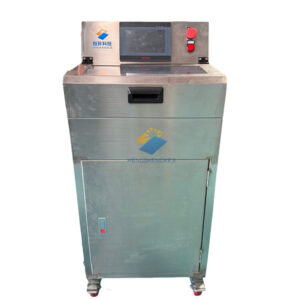
Targeted residue removal for eco solvent printheads requires a process that dissolves and flushes away semi-cured ink deposits without eroding the precision nozzle plate or damaging sensitive internal components. Gentle, controlled agitation paired with properly formulated flushing solutions can reach deep into partially blocked passages to lift accumulated pigment particles that routine manual wiping cannot access. This approach avoids the high-pressure bursts that can deform nozzle edges, disrupt internal ink path seals, or cause permanent alignment issues in high-resolution printheads. When calibrated to match the typical residue level from daily eco solvent production, this method restores full flow across every nozzle without leaving behind foreign contaminants that could trigger new blockages shortly after cleaning completes.
Building a consistent eco solvent printhead care schedule reduces unplanned downtime and supports long-term stable performance across thousands of square meters of printed output. Operators can integrate targeted cleaning sessions after long idle periods, between different media types that require frequent ink priming, or at the end of multi-shift production runs to prevent residual ink from settling and hardening inside nozzles. Regular, proactive maintenance also cuts down on repeated test prints and unnecessary head purges that waste large volumes of eco solvent ink. Over months of continuous operation, this structured routine maintains consistent dot placement across every color channel, minimizes mid-job stops for printhead correction, and helps print teams meet tight outdoor graphic delivery deadlines with far fewer unexpected interruptions.
Experienced print technicians often develop their own field-verified care workflows tailored to the specific eco solvent ink formulations they run, the typical humidity levels in their production space, and the average daily runtime of their large-format printers. These practical, documented procedures include clear guidance on pre-cleaning nozzle inspection, appropriate dwell times for softening hardened residue, and post-cleaning validation steps that confirm every nozzle returns to full, uniform performance. Sharing these real-world tested workflows across operational teams helps new technicians avoid common handling errors that can damage printheads, and ensures every maintenance session follows a repeatable, low-risk process that preserves the long-term reliability of critical printing assets.